
Picture an older bungalow in a Honolulu neighborhood where window units rattle in every room, the hallway stays warm no matter what, and the back bedroom never seems to cool down at all. Running ductwork through a home that was never built for it would mean tearing into ceilings, walls, and closets. This is exactly the kind of situation where a ductless air conditioning system solves the problem without a major renovation. At Standard Air, we install ductless systems across Honolulu to bring consistent, quiet comfort to homes and small businesses that central ducting cannot easily serve.
What a Ductless AC System Actually Is
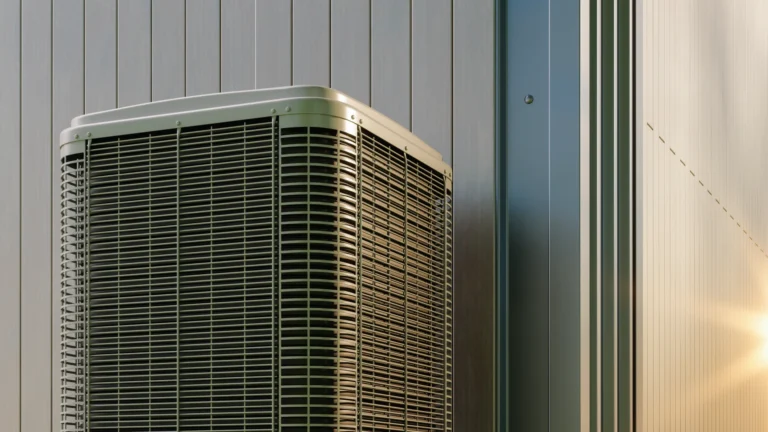
A ductless system, often called a mini-split, uses a single outdoor condenser connected to one or more indoor air-handling units. Refrigerant lines, a power cable, and a condensate drain pass through a small opening in the wall—usually about three inches wide. Each indoor unit cools the space it serves directly, with no sheet-metal ducts carrying air through the structure.
Because there are no ducts, you avoid the energy loss that happens when conditioned air travels through hot attics or crawlspaces. In a climate like Honolulu’s, where cooling runs nearly year-round, that efficiency adds up. The indoor units are typically mounted high on a wall, though ceiling-cassette and floor-standing models are available for rooms where a wall mount is not practical.
Why Ductless Works So Well in Honolulu Homes
Honolulu’s building stock includes many older single-wall homes, additions, and multi-generational dwellings that were never designed for central air. Retrofitting ductwork into these structures is expensive and disruptive. A ductless system fits the way these homes are built, and the installation is far less invasive.
The local climate also rewards the zoning that ductless makes possible. You can cool the living room during the day and the bedrooms at night without running a single large system for the whole house. Salt air along the coast is hard on equipment, so we select and position units with that in mind, and we service Kailua, Kaneohe, Waialae-Kahala, Hawaii Kai, Honolulu and surrounding areas with the same attention to the island environment.
Key advantages we see most often
- Room-by-room control: Each indoor unit has its own thermostat, so you cool only the spaces you use.
- Quiet operation: The compressor sits outside, and indoor units run far quieter than window shakers.
- Energy savings: No duct losses and inverter-driven compressors mean lower monthly cooling costs.
- Clean installation: A small wall penetration replaces the need for bulky returns and vents.
Common Scenarios Where We Install Ductless Systems
No two Honolulu properties are alike, and ductless systems adapt to a wide range of needs. One of the most frequent calls we get is for home additions—a converted garage, a new mother-in-law suite, or an enclosed lanai. Extending an existing central system to serve a new room often overloads it. A dedicated mini-split zone handles that space on its own without straining the rest of the home.
Bedrooms are another common use. Many families want a cooler sleeping environment at night but do not want to cool the whole house. A single-zone ductless unit in each bedroom gives sleepers individual control and keeps energy use down. We also install ductless systems in home offices, which have become essential as more Honolulu residents work from home and need a quiet, comfortable space during the day.
Small commercial spaces benefit too. Retail shops, salons, offices above storefronts, and restaurant back rooms often have no practical path for ductwork. A multi-zone ductless setup lets a business cool a front counter, a back office, and a storage area independently. We treat these light commercial jobs with the same care we bring to residential work.
How We Approach a Ductless Installation
Every installation starts with an on-site evaluation. We measure each room, note window exposure, ceiling height, insulation, and how the space is used. This lets us perform a proper load calculation rather than guessing at capacity. An oversized unit cycles on and off too quickly and never properly removes humidity, while an undersized unit runs constantly and wears out early. Getting the sizing right is the single most important step.
Once we select the equipment, we plan the placement of both the outdoor condenser and each indoor head. The condenser needs airflow clearance and a stable mounting surface, ideally shaded and positioned away from heavy salt spray when possible. Indoor units go where airflow reaches the whole room without blowing directly on seating or beds. We route the refrigerant lines along the shortest clean path and keep the exterior line-set covers tidy.
The steps of a typical installation
- Site assessment and load calculation: We size the system to your actual space, not a rough estimate.
- Equipment selection: We recommend the number of zones and capacity that fits your home and budget.
- Mounting and line routing: We secure the units and run refrigerant, power, and drain lines neatly.
- Vacuum and charge: We evacuate the lines, check for leaks, and charge the system to spec.
- Testing and walkthrough: We verify cooling performance and show you how to operate the controls.
Technical Details That Affect Performance
Ductless systems are rated by SEER2 for cooling efficiency, and inverter-driven models reach some of the highest ratings on the market. Instead of simply switching full-on and full-off, an inverter compressor adjusts its speed to match demand. This keeps room temperatures steadier and reduces electrical draw—an important factor given Hawaii’s energy costs.
Capacity is measured in BTUs, and indoor heads commonly range from 9,000 BTU for a bedroom up to 24,000 BTU or more for a large open living area. A single outdoor condenser can support multiple indoor heads in a multi-zone configuration, with the total indoor capacity matched to the condenser’s rating. Proper line-set length and refrigerant charge are critical, since a system that is undercharged or overcharged will lose efficiency and may fail prematurely. We follow manufacturer specifications precisely on every job.
Why Homeowners and Businesses Choose Standard Air
Since 2018, we have built our reputation in Oahu on doing the job right the first time. Our technicians bring over 90 years of combined experience, and that depth shows in the details—clean line-set runs, correct refrigerant charges, and systems sized to the space rather than to a sales quota. We know how important it is to get your split A/C system installed correctly, because a properly installed unit runs more efficiently, lasts longer, and keeps your home comfortable year-round.
We treat every home as if it were our own. That means protecting your floors and furnishings during the work, cleaning up fully when we finish, and taking the time to walk you through your new system before we leave. Our focus on integrity, quality, and customer satisfaction guides every ductless installation we complete.
Keeping Your System Running After Installation
A ductless system rewards regular care. Indoor filters should be cleaned often to keep airflow strong and energy use low, and coils benefit from periodic professional cleaning. In Honolulu’s coastal setting, salt and dust can accumulate on the outdoor condenser, so routine maintenance protects your investment and preserves efficiency. We offer professional cleanings and prompt repairs to keep your system performing at its best for years.
When you are ready to bring quiet, efficient, room-by-room comfort to your Honolulu home or business, Standard Air is here to help. We handle the whole process from assessment through startup, and we stand behind our work. Reach out to us to discuss the right ductless solution for your space—we keep Hawaii cool, one home at a time.