
Understanding VRF Technology for Hawaiian Climate Conditions
Variable Refrigerant Flow (VRF) systems represent cutting-edge HVAC technology perfectly suited for Honolulu’s unique climate demands. These sophisticated systems provide simultaneous heating and cooling capabilities to different zones within a building, making them ideal for commercial properties, hotels, and large residential complexes throughout Oahu. At Standard Air, we specialize in designing and installing VRF systems that maximize energy efficiency while maintaining optimal comfort levels year-round. Since 2018, we’ve implemented numerous VRF solutions across Hawaii Kai, Kailua, Kaneohe, and Waialae, understanding how these systems perform exceptionally well in our tropical environment where consistent temperature control and humidity management are essential.
The technology behind VRF systems involves sophisticated inverter-driven compressors that adjust refrigerant flow based on real-time demand from individual zones. This precise control mechanism allows for energy savings of up to 30% compared to traditional HVAC systems, particularly important given Hawaii’s high electricity costs. Our team’s combined 90 years of experience ensures we properly size and configure these systems to handle Honolulu’s average temperature range of 70-85°F while managing humidity levels that typically hover between 60-75% throughout the year.
Installation Process and Technical Requirements
Installing a VRF system requires meticulous planning and execution, beginning with comprehensive load calculations specific to each zone within your building. We conduct detailed assessments examining factors including solar heat gain, occupancy patterns, equipment heat loads, and building orientation relative to prevailing trade winds. This thorough analysis ensures optimal system sizing, preventing the energy waste associated with oversized equipment or the comfort issues stemming from undersized systems. Our installation process involves precise refrigerant piping runs that can extend up to 1,000 feet with vertical rises reaching 164 feet, allowing flexibility in equipment placement even in challenging architectural layouts common in Honolulu’s diverse building stock.
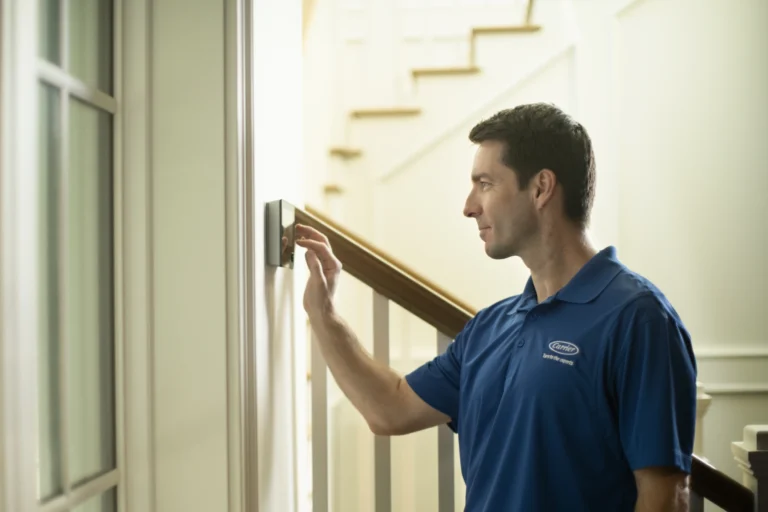
The physical installation encompasses mounting outdoor condensing units, typically positioned to minimize salt air exposure while maintaining adequate airflow for heat rejection. Indoor units, available in ceiling cassette, ducted, wall-mounted, and floor-standing configurations, are strategically placed based on room layout and aesthetic preferences. We install sophisticated control systems including centralized controllers and individual zone thermostats, enabling precise temperature management within one-degree accuracy. Refrigerant piping requires careful brazing techniques and nitrogen purging to prevent oxidation, followed by rigorous pressure testing and vacuum procedures ensuring system integrity and longevity in Hawaii’s corrosive coastal environment.
Benefits for Commercial and Residential Applications
VRF systems offer exceptional advantages for Honolulu properties, particularly in mixed-use buildings where different areas require varying temperature settings. Hotels benefit from guest room control allowing individual comfort preferences while unoccupied rooms can be set to energy-saving modes, reducing operational costs by 20-40% compared to conventional systems. Office buildings experience improved productivity through consistent temperature control eliminating hot and cold spots that plague traditional HVAC systems. The quiet operation of VRF indoor units, typically producing only 27-35 decibels, creates peaceful environments essential for hotels, healthcare facilities, and high-end residential properties throughout Oahu.
Energy efficiency extends beyond simple temperature control, with heat recovery VRF systems capturing waste heat from cooling operations and redirecting it to areas requiring heating, achieving coefficients of performance exceeding 4.0. This simultaneous heating and cooling capability proves invaluable in buildings with diverse thermal loads, such as restaurants where kitchen areas require cooling while dining spaces need heating during evening hours. The modular nature of VRF systems allows for phased installation and future expansion, accommodating growing businesses without requiring complete system replacement.
Maintenance Considerations and Long-term Performance
Proper maintenance ensures VRF systems deliver promised efficiency and longevity, particularly important given Honolulu’s year-round cooling demands and salt-laden air. We implement comprehensive maintenance protocols including quarterly filter cleaning, annual refrigerant leak checks, and bi-annual coil cleaning to combat salt accumulation. Electronic expansion valve calibration and control system updates maintain optimal performance while preventing costly breakdowns during peak cooling seasons. Our technicians monitor refrigerant charge levels closely, as even minor losses can reduce system efficiency by 15-20%, significantly impacting operating costs over time.
Key Installation Considerations for Hawaiian Properties
Successfully implementing VRF systems in Honolulu requires addressing unique regional challenges while maximizing system benefits. Our installation approach considers:
- Corrosion Protection: Apply specialized coatings to outdoor units and use stainless steel hardware to combat salt air deterioration
- Seismic Compliance: Install proper anchoring systems meeting Hawaii’s seismic requirements for equipment mounting
- Drainage Solutions: Design condensate removal systems handling high humidity loads typical of tropical climates
- Power Requirements: Coordinate electrical upgrades accommodating VRF system demands while maintaining compatibility with local utility infrastructure
- Acoustic Planning: Position equipment considering neighborhood noise ordinances and property line setbacks
- Hurricane Preparedness: Implement protective measures ensuring system survivability during extreme weather events
At Standard Air, we recognize that VRF system installation represents a significant investment in your property’s comfort infrastructure. Our commitment to quality installation practices, combined with deep understanding of local conditions, ensures your system performs optimally for decades. We coordinate with architects, engineers, and contractors throughout the installation process, maintaining project timelines while adhering to strict quality standards. Our expertise in VRF technology, developed through countless successful installations across Oahu since 2018, positions us as your trusted partner for advanced HVAC solutions. Whether upgrading existing systems or implementing VRF technology in new construction, we deliver installations that enhance comfort, reduce energy consumption, and provide reliable climate control suited perfectly for Hawaii’s unique environmental conditions.