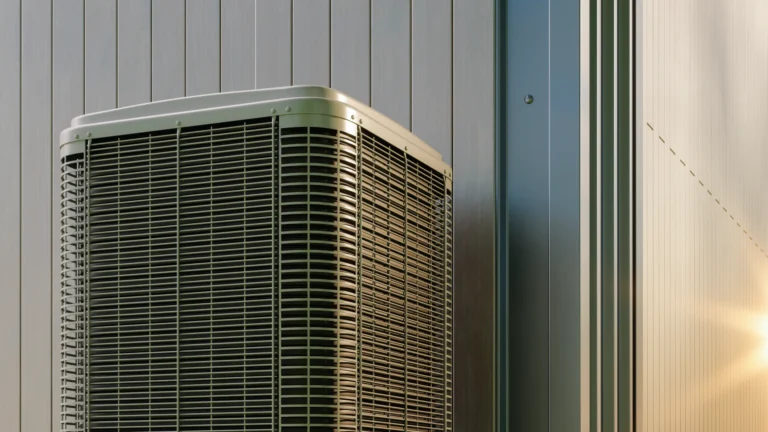

Understanding Your HVAC System’s Distress Signals
Your air conditioning system communicates through various signs and symptoms when something isn’t functioning properly. Living in Oahu means relying on your AC system year-round, making it crucial to recognize these warning signals before minor issues escalate into major breakdowns. At Standard Air, we’ve serviced countless homes throughout Hawaii Kai, Honolulu, Kailua, Kaneohe, and Waialae since 2018, and we’ve learned that homeowners who pay attention to these early warning signs save themselves from uncomfortable nights and costly emergency repairs.
The tropical climate of Hawaii puts unique demands on HVAC systems, with salt air, humidity, and constant operation creating conditions that can accelerate wear and tear. Our technicians, bringing over 90 years of combined experience to every service call, consistently find that systems showing warning signs have often been struggling for weeks or months before homeowners notice the symptoms. Understanding what your system is trying to tell you empowers you to take action before you’re left without cooling on a sweltering Hawaiian afternoon.
Strange Noises That Demand Immediate Attention
When your AC system starts making unusual sounds, it’s essentially crying out for help. Grinding noises often indicate bearing problems in the motor, while squealing sounds typically point to belt issues or motor bearing problems. A banging or clanking noise might mean a loose or broken part is rattling around inside your unit, potentially causing damage to other components with every cycle. Clicking sounds during startup or shutdown, especially if repetitive, could signal electrical issues or a failing thermostat.
These acoustic warnings represent mechanical problems that worsen over time. A simple belt adjustment that might cost minimal effort today could turn into a complete motor replacement if ignored. Our team at Standard Air frequently encounters systems where a $200 repair escalated into a $2,000 replacement because warning sounds went unaddressed. The key is recognizing that any new or unusual sound warrants professional inspection, as early intervention typically means simpler, less expensive solutions.
Temperature Inconsistencies and Weak Airflow
If certain rooms feel like tropical saunas while others remain comfortable, or if you’re constantly adjusting the thermostat to maintain comfort, your system is signaling distribution problems. These issues might stem from ductwork problems, failing components, or an aging system struggling to maintain capacity. Weak airflow from vents indicates potential blockages, failing blower motors, or compromised ductwork that’s leaking conditioned air into unconditioned spaces like your attic.
In Hawaii’s humid environment, proper airflow isn’t just about temperature control—it’s essential for managing indoor humidity levels. Inadequate airflow can lead to moisture buildup, creating ideal conditions for mold growth and affecting your home’s air quality. Our technicians often discover that what seems like a simple airflow problem actually involves multiple system components working inefficiently together, from dirty evaporator coils to oversized or undersized equipment that was improperly specified during initial installation.
The Seven Critical Warning Signals
- Unusual odors emanating from vents: Musty smells indicate potential mold growth in ductwork or on evaporator coils, while burning odors suggest electrical problems requiring immediate attention
- Frequent cycling on and off: Short cycling strains components and indicates issues with thermostats, refrigerant levels, or oversized equipment
- Unexplained spike in energy bills: A 20-30% increase without usage changes signals declining efficiency from worn components or refrigerant leaks
- Visible moisture or leaks around the unit: Water pooling indicates drainage problems or frozen evaporator coils that need immediate attention
- System age exceeding 10-15 years with increasing repairs: Older systems lose efficiency and reliability, making replacement more economical than continued repairs
- Ice formation on refrigerant lines or evaporator coils: This indicates airflow restrictions or refrigerant issues requiring professional diagnosis
- Thermostat readings don’t match actual room temperature: Calibration issues or failing sensors compromise comfort and efficiency
Taking Action to Protect Your Investment
Recognizing these warning signals is only the first step—taking prompt action prevents minor issues from becoming major failures. Regular maintenance, including professional cleanings and inspections, helps identify problems before they manifest as noticeable symptoms. At Standard Air, we treat every home as if it were our own, conducting thorough inspections that examine all system components, from electrical connections to refrigerant levels.
Don’t wait until your system fails completely during Oahu’s hottest days. When you notice any of these warning signals, professional evaluation ensures accurate diagnosis and appropriate repairs. Our commitment to quality service means we’ll explain exactly what’s happening with your system, provide honest recommendations, and ensure repairs are completed correctly the first time. Your comfort and satisfaction drive everything we do, from routine AC service to complete air conditioning installation, keeping Hawaii cool, one home at a time.