
How Hawaii’s Unique Weather Patterns Impact Your HVAC System Performance and What You Can Do About It
Living in Hawaii means enjoying some of the most beautiful weather on the planet, but that tropical climate comes with unique challenges for your air conditioning system. Unlike the mainland, where seasonal temperature swings force HVAC systems to alternate between heating and cooling, our systems here on Oahu run almost continuously throughout the year. This constant demand, combined with high humidity, salt air, and microclimates that shift dramatically from one neighborhood to the next, places extraordinary stress on residential and commercial HVAC equipment. At Standard Air, we have been proudly serving Hawaii since 2018, and with over 90 years of combined experience on our team, we understand exactly how these conditions affect your system and what proactive steps you can take to protect your investment.
The Role of Humidity in System Strain
Hawaii’s average relative humidity hovers between 63 and 80 percent depending on the season and location. In areas like Kaneohe and Kailua on the windward side of Oahu, humidity levels can be even higher due to persistent trade wind moisture and orographic rainfall. Your air conditioning system does not just cool the air. It also acts as a dehumidifier, pulling moisture out of the indoor environment to maintain comfort. When outdoor humidity is relentlessly high, your AC unit works significantly harder to remove that moisture before it can effectively lower the temperature inside your home.
This increased workload leads to longer run cycles, greater energy consumption, and accelerated wear on critical components such as the compressor and evaporator coil. Over time, excess moisture that the system cannot adequately handle promotes mold and mildew growth inside ductwork and on the evaporator coil itself, degrading indoor air quality. We frequently see these conditions during AC repair calls across Honolulu, Hawaii Kai, and Waialae, where homeowners notice musty odors or unexplained spikes in their electric bills. Scheduling regular AC service and professional cleanings helps your system manage humidity efficiently and prevents costly breakdowns before they happen.
Salt Air Corrosion and Coastal Exposure
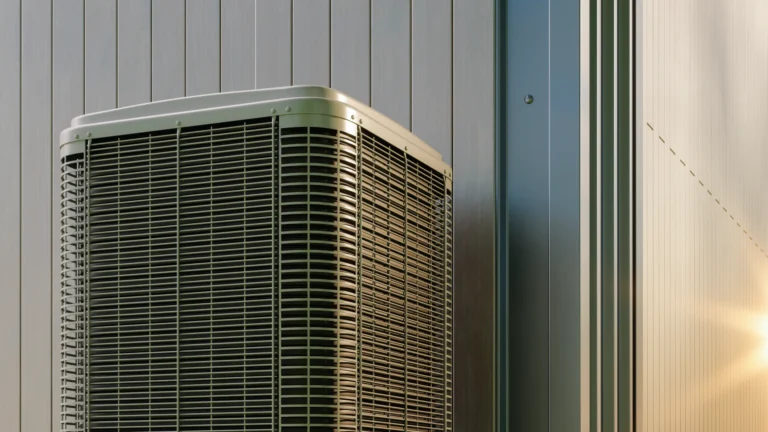
One of the most destructive forces acting on HVAC equipment in Hawaii is salt air. Homes located near the coast, which describes a significant portion of residences across Oahu, are exposed to airborne sodium chloride that corrodes metal components with surprising speed. Condenser coils, copper refrigerant lines, electrical connections, and even mounting hardware are all vulnerable. A condenser unit that might last 15 to 20 years on the mainland can deteriorate in as few as 8 to 12 years here if it is not properly maintained and protected.
When we handle air conditioning installation projects, we always consider the specific environmental exposure of your home. Selecting equipment with corrosion-resistant coatings, positioning outdoor units to minimize direct salt spray exposure, and applying protective treatments to vulnerable components are all strategies we employ during HVAC installation. These decisions made at the time of installation can add years to your system’s operational life and save thousands of dollars in premature replacement costs.
Microclimates and Their Effect on System Sizing
Oahu is home to dramatic microclimates. The leeward side experiences hotter, drier conditions, while the windward side receives more rainfall and cooler temperatures. Even within a single neighborhood, elevation changes and wind patterns can create noticeably different thermal loads. This means that a one-size-fits-all approach to HVAC installation simply does not work here. A system that performs perfectly in Hawaii Kai may be undersized or oversized for a home in Kaneohe, even if the square footage is identical.
We perform detailed load calculations that account for local weather data, home orientation, insulation levels, window placement, and elevation to ensure every system we install is precisely matched to the home it serves. An oversized unit will short-cycle, wasting energy and failing to dehumidify properly. An undersized unit will run constantly without ever reaching the desired temperature. Both scenarios lead to premature equipment failure and uncomfortable living conditions.
What You Can Do to Protect Your System
Taking proactive steps is the best way to ensure your HVAC system performs reliably in Hawaii’s demanding climate. Here are the most impactful actions you can take:
- Schedule professional maintenance at least twice a year to catch corrosion, mold, and refrigerant issues before they escalate into expensive AC repair situations
- Rinse your outdoor condenser unit monthly with fresh water to remove salt deposits that accelerate corrosion
- Replace or clean air filters every 30 to 60 days because high humidity promotes faster buildup of biological contaminants on filter media
- Invest in a properly sized system by working with experienced professionals who understand local microclimates during air conditioning installation
- Consider upgrading to corrosion-resistant equipment specifically designed for coastal environments
- Monitor your energy bills for sudden increases that may indicate your system is struggling against environmental conditions
At Standard Air, we treat every home as if it were our own. Whether you need a routine cleaning, a complex AC repair, or a complete HVAC installation, our skilled technicians bring the expertise and care that Hawaii homeowners deserve. We keep Hawaii cool, one home at a time.