
Understanding Commercial HVAC Replacement Needs in Hawaii Kai
When commercial properties in Hawaii Kai face aging or failing HVAC systems, the impact on business operations can be significant. At Standard Air, we understand that commercial HVAC replacement represents a critical investment in your business’s future success. The unique climate conditions of Hawaii Kai, with its year-round warm temperatures, high humidity levels, and salt-laden ocean air, place extraordinary demands on commercial cooling systems. These environmental factors accelerate equipment degradation, making timely replacement essential for maintaining optimal business environments.
Commercial HVAC systems in Hawaii Kai typically operate continuously throughout the year, unlike mainland locations where seasonal variations provide equipment respite. This constant operation means that systems reaching the 10 to 15-year mark often show substantial efficiency losses, with energy consumption increasing by up to 40% compared to newer models. We recognize that businesses cannot afford unexpected breakdowns that disrupt operations, compromise employee productivity, or create uncomfortable conditions for customers. Our comprehensive replacement services ensure minimal disruption while delivering long-term reliability and improved energy efficiency that directly impacts your bottom line.
Signs Your Hawaii Kai Business Needs HVAC Replacement
Recognizing when commercial HVAC replacement becomes necessary requires careful attention to system performance indicators. We frequently encounter businesses that have delayed replacement decisions, resulting in escalating repair costs that exceed 50% of new system investment within a single year. Rising energy bills often signal declining system efficiency, particularly when monthly costs increase despite consistent usage patterns. Commercial properties experiencing frequent temperature inconsistencies between different zones, unusual noises during operation, or persistent humidity problems typically benefit from complete system replacement rather than continued repairs.
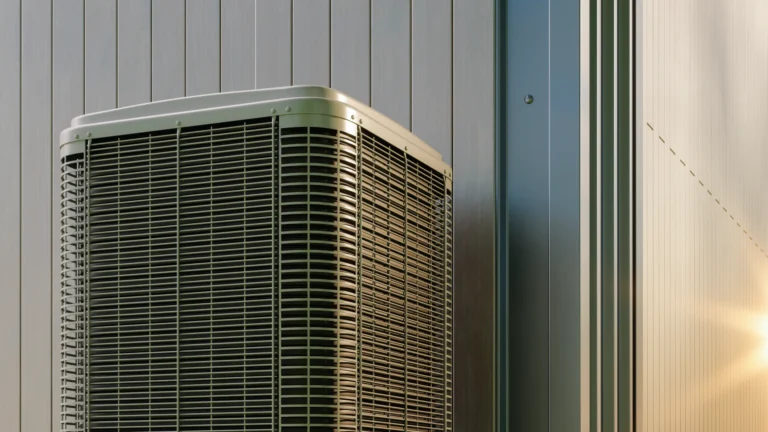
The tropical environment of Hawaii Kai accelerates certain failure modes specific to our region. Salt corrosion affects outdoor condenser units particularly severely, compromising heat exchange efficiency and structural integrity. Indoor air quality issues become pronounced when aging systems cannot effectively filter airborne contaminants or control moisture levels, potentially affecting employee health and productivity. We evaluate each commercial system comprehensively, examining refrigerant leak patterns, compressor performance metrics, and overall system capacity relative to current building loads. Modern commercial buildings often have different cooling requirements than when original systems were installed, particularly with increased electronic equipment loads and changing occupancy patterns.
Commercial HVAC Technologies for Hawaii Kai Businesses
Today’s commercial HVAC technologies offer remarkable improvements in efficiency, reliability, and operational flexibility compared to systems installed even a decade ago. Variable refrigerant flow (VRF) systems provide exceptional zone control capabilities, allowing businesses to cool occupied areas while reducing energy consumption in unused spaces. These systems achieve efficiency ratings exceeding 30 SEER in some configurations, representing potential energy savings of 40-50% compared to older constant-speed equipment. We specialize in evaluating which technology platforms best serve specific commercial applications, considering factors like building size, occupancy patterns, and operational requirements.
Energy recovery ventilation systems have become increasingly valuable for Hawaii Kai commercial properties, capturing energy from exhaust air to precondition incoming fresh air. This technology proves particularly beneficial in maintaining indoor air quality while minimizing the energy penalty associated with increased ventilation rates. Smart building integration capabilities allow modern HVAC systems to communicate with building automation platforms, enabling predictive maintenance scheduling and real-time performance optimization. Advanced filtration technologies, including HEPA and UV-C purification systems, address growing concerns about indoor air quality while maintaining system efficiency.
Our Commercial Replacement Process
At Standard Air, our commercial HVAC replacement process begins with comprehensive load calculations and system design specifications tailored to each Hawaii Kai business. We perform detailed building assessments, analyzing factors including:
- Current and projected occupancy levels to ensure adequate capacity
- Equipment heat loads from computers, servers, and specialized machinery
- Building envelope characteristics including insulation and window specifications
- Ventilation requirements based on building codes and occupancy types
- Existing ductwork condition and potential modification requirements
Following assessment completion, we develop detailed replacement proposals outlining equipment specifications, installation timelines, and expected performance improvements. Our installation teams coordinate closely with business operations to minimize disruption, often completing major work during off-hours or weekends. We understand that commercial operations cannot simply shut down for HVAC replacement, so we develop phased installation approaches that maintain climate control throughout the replacement process. This might involve temporary cooling solutions or strategic scheduling that keeps critical areas operational while work progresses in other zones.
Maximizing ROI Through Strategic Replacement
Commercial HVAC replacement in Hawaii Kai represents significant capital investment, making return on investment calculations crucial for business decision-making. Modern high-efficiency systems typically achieve payback periods of three to five years through energy savings alone, not accounting for reduced maintenance costs and improved reliability. Federal tax incentives and local utility rebates can offset initial investment costs by 20-30%, improving project economics substantially. We assist businesses in identifying and applying for available incentives, ensuring maximum benefit capture from efficiency upgrade programs.
Long-term operational savings extend beyond simple energy reduction. New systems require less frequent maintenance interventions, reducing service disruption and maintenance contract costs. Improved temperature and humidity control enhances employee productivity and customer comfort, translating to measurable business performance improvements. Modern systems also offer superior diagnostic capabilities, enabling predictive maintenance approaches that prevent unexpected failures. We provide comprehensive lifecycle cost analyses that help businesses understand total ownership costs over typical 15-20 year commercial HVAC lifespans.
Post-Installation Support and Maintenance
Following commercial HVAC replacement, establishing proper maintenance protocols ensures maximum system longevity and performance. Our maintenance programs address the specific challenges Hawaii Kai’s coastal environment presents, including accelerated coil fouling from salt air and increased filter replacement frequency due to higher particulate loads. Regular maintenance intervals prevent minor issues from developing into major failures, protecting your replacement investment while maintaining optimal operating efficiency. We develop customized maintenance schedules based on equipment type, usage patterns, and environmental conditions specific to each commercial location.
Performance monitoring systems installed with new commercial HVAC equipment provide real-time operational data, enabling proactive maintenance scheduling and rapid issue identification. These systems track key performance indicators including energy consumption patterns, temperature differential measurements, and equipment runtime hours. By analyzing trend data, we identify performance degradation before it impacts comfort or efficiency, scheduling preventive interventions that maintain peak system performance throughout its operational life.