The HVAC Maintenance Myths Oahu Homeowners Need to Stop Believing Right Now
You pay your electric bill every month, hear the compressor cycle on and off, and feel cool air come from the vents. So the system must be fine, right? Not always. Many Oahu homeowners base their maintenance decisions on ideas that sound reasonable but quietly cost them money, comfort, and equipment life. At Standard Air, we hear these myths on nearly every service call, and we want to set the record straight.
Our island climate puts a very specific kind of stress on air conditioning equipment. Salt air, high humidity, and year-round cooling demand mean an HVAC system here works harder than the same unit would on the mainland. Believing the wrong things about maintenance has bigger consequences in Hawaii than almost anywhere else. Below, we break down the most common myths and explain what actually keeps a system running.
Myth: “If It Still Cools, It Doesn’t Need Service”
This is the belief we encounter most often, and it is the most expensive one. A system can still produce cold air while running at 70 percent efficiency, pulling more power, and wearing out internal parts faster. By the time cooling output drops enough for you to notice, the damage is already done. Refrigerant levels may be low, the coil may be caked with salt residue, or the blower motor may be straining against a clogged filter.
Preventive maintenance exists to catch problems before they reach your comfort. During a routine visit, our technicians measure refrigerant pressures, check electrical connections, test capacitors, and clean coils. These are the small things that keep a unit from failing on the hottest afternoon of the year. Waiting for a noticeable problem is like waiting for an engine to seize before changing the oil.
Myth: “A New Filter Once a Year Is Enough”
Filter guidelines printed on the package usually assume mild, seasonal use. On Oahu, your system runs most of the year, and that changes everything. A filter that might last three months on the mainland can clog far faster here because of constant airflow, pet dander, dust, and the fine particulates that drift in through open windows.
A clogged filter does more than reduce airflow. It forces the blower to work harder, raises energy use, and can cause the evaporator coil to freeze. When that happens, the unit stops cooling entirely. We recommend checking filters on a regular schedule rather than a calendar reminder tied to the season. Here is what a dirty filter actually affects:
- Airflow: restricted air reduces cooling and strains the blower motor.
- Energy use: the system runs longer to reach the same temperature.
- Air quality: trapped particles get recirculated once the filter is saturated.
- Coil health: poor airflow can freeze the evaporator coil and shut the system down.
Myth: “Maintenance Is Just an Upsell”
We understand the skepticism. Some companies treat maintenance as a way to pad invoices. That is not how we operate. Founded in 2018, Standard Air built its reputation on integrity, which means doing the right thing even when no one is watching. A maintenance visit from our team is about documented measurements and honest findings, not invented repairs.
The financial case for maintenance is straightforward. A professional cleaning and inspection protects the two most expensive components in any system: the compressor and the coil. Replacing either of those costs far more than years of routine service combined. With over 90 years of combined experience, our technicians know the difference between a part that needs attention now and one that can wait. We tell you which is which.
Myth: “Bigger Equipment Cools Better”
Oversizing is one of the most common installation mistakes we correct. A unit that is too large for the space cools the room quickly, then shuts off before it removes enough humidity. In our climate, humidity control matters as much as temperature. An oversized system leaves rooms feeling cold but clammy, and the frequent on-off cycling wears out components faster.
Proper sizing comes from a load calculation that accounts for square footage, insulation, window exposure, and ceiling height. When we handle an installation, we size the equipment to the home rather than guessing from a chart. This is why a correctly matched system runs longer, quieter cycles that both cool and dehumidify the air evenly.
Myth: “Outdoor Units Can Take Care of Themselves”
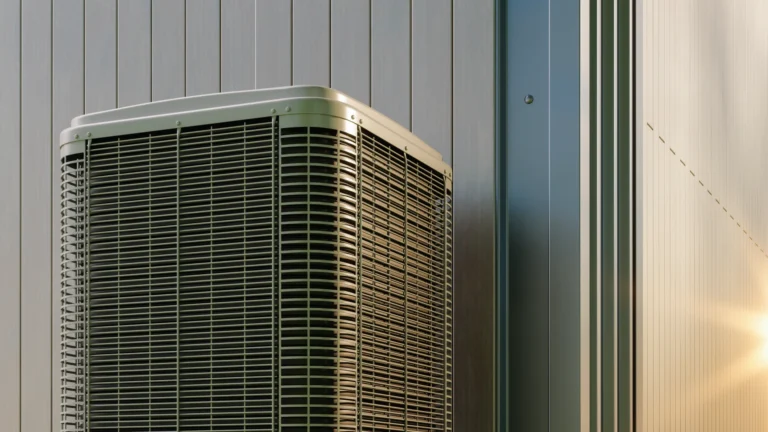
The condenser sits outside, so homeowners assume it is built to be ignored. Near the coast, salt air corrodes aluminum fins and metal cabinets over time. Landscaping debris, leaves, and grass clippings block airflow around the unit. A condenser that cannot breathe cannot reject heat, and the whole system suffers.
Keeping the area around the outdoor unit clear and scheduling periodic rinses of the coil makes a measurable difference in both efficiency and lifespan. Our maintenance visits include inspecting and cleaning the outdoor unit so corrosion and blockage do not quietly shorten its life. A few simple habits help between visits:
- Keep clearance: maintain at least two feet of open space around the condenser.
- Clear debris: remove leaves, dirt, and clippings from the fins.
- Watch for corrosion: report rust or discolored fins during your next service call.
Get Honest Answers From Standard Air
Serving Hawaii Kai, Honolulu, Kailua, Kaneohe, and Waialae, we provide AC service, AC repair, and air conditioning installation built around what your home actually needs. We treat every home as if it were our own, which means careful work, clear explanations, and no scare tactics.
If any of these myths have shaped how you care for your system, now is the time to rethink them. Reach out to Standard Air for maintenance, repair, or a straightforward assessment of your equipment. We keep Hawaii cool, one home at a time, and we do it with the honesty and precision your comfort deserves.