
Understanding HVAC Vulnerabilities During Hawaii Emergencies
Living in Hawaii means preparing for unique emergency situations including hurricanes, tropical storms, power outages, and volcanic activity. Your HVAC system represents a critical component of home comfort and safety, yet many homeowners overlook air conditioning when creating emergency preparedness plans. At Standard Air, we understand that your AC system needs special consideration during emergencies, particularly given Hawaii’s humid climate where indoor air quality and temperature control directly impact health and safety. Power outages frequently accompany severe weather events, potentially lasting days or weeks, leaving your home without climate control during already stressful situations.
Your HVAC system contains electrical components, refrigerant lines, and outdoor units particularly vulnerable to storm damage from flying debris, flooding, or electrical surges. Understanding these vulnerabilities allows you to take proactive measures protecting your investment while ensuring faster recovery after emergencies pass. Since 2018, we’ve helped Hawaii Kai, Honolulu, Kailua, Kaneohe, and Waialae residents prepare their systems for emergencies, learning valuable lessons about what works best in our unique island environment.
Pre-Emergency HVAC Preparation Steps
Before hurricane season arrives, schedule comprehensive AC service with qualified technicians who understand local conditions and can identify potential weaknesses in your system. Our team inspects electrical connections, secures loose components, checks refrigerant levels, and ensures drain lines flow properly, preventing water damage during heavy rains. We recommend documenting your system’s specifications, including model numbers, warranty information, and recent service records, storing copies in waterproof containers and uploading digital versions to cloud storage for access even if physical documents become damaged.
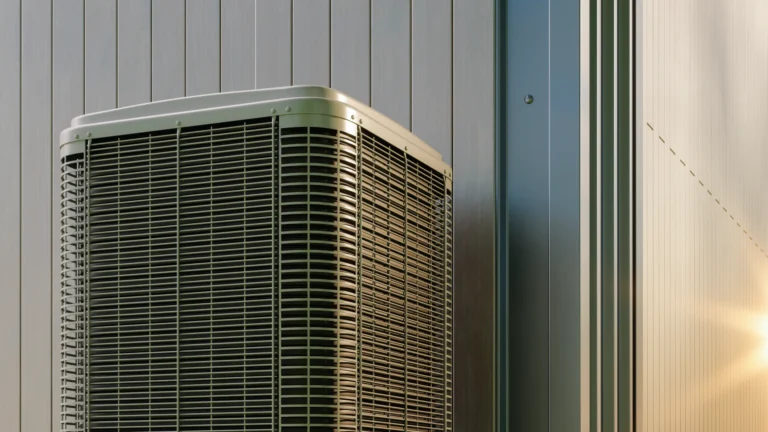
Creating an emergency shutdown checklist ensures you can quickly secure your HVAC system when warnings arrive. This includes knowing where your electrical breaker sits, understanding proper shutdown sequences, and having necessary tools readily available. We teach customers how to properly cover outdoor units using manufacturer-approved covers or secured plywood shields, protecting against debris while allowing adequate ventilation preventing moisture buildup that causes internal damage. Additionally, clearing vegetation and loose items around outdoor units reduces projectile risks during high winds.
Essential Emergency HVAC Supplies
Your emergency kit should include HVAC-specific items beyond standard disaster supplies. Stock replacement air filters since dust and debris following emergencies can quickly clog existing filters, reducing system efficiency when you need cooling most. Include basic tools like screwdrivers, adjustable wrenches, and electrical tape for minor repairs or securing loose panels. Portable fans provide backup cooling if your main system fails, while battery-powered carbon monoxide detectors ensure safety if using generators near your home.
Keep surge protectors specifically rated for HVAC equipment, as power fluctuations during restoration frequently damage sensitive electronic components in modern air conditioning systems. Store plastic sheeting and duct tape for temporary repairs to damaged ductwork or covering broken windows affecting system performance. Having these supplies ready means faster recovery and potentially avoiding costly emergency repairs when contractors face overwhelming demand following widespread disasters.
Post-Emergency System Assessment Protocol
After emergencies pass, resist immediately restarting your HVAC system without proper inspection. Begin with visual examination of outdoor units, checking for obvious damage, debris accumulation, or standing water around equipment. Look for bent fins, damaged refrigerant lines, or displaced components requiring professional attention before operation. Inside your home, inspect vents and registers for water intrusion or debris, checking ceiling areas around air handlers for water stains indicating roof damage affecting your system.
- Document all visible damage with photographs for insurance claims and repair estimates
- Test electrical systems gradually starting with main breakers before attempting HVAC operation
- Listen for unusual sounds when first starting equipment, immediately shutting down if hearing grinding or scraping
- Monitor initial operation closely checking for proper cooling, drainage, and air flow through all vents
- Schedule professional inspection even if systems appear functional, as hidden damage may cause future failures
With over 90 years of combined experience, our technicians recognize subtle damage signs that untrained eyes might miss. We provide thorough post-emergency evaluations, identifying both immediate concerns and potential future problems, helping you make informed decisions about repairs versus replacement when dealing with insurance adjusters.
Creating Your HVAC Emergency Response Plan
Develop a written plan outlining specific actions for different emergency scenarios, assigning responsibilities to family members and establishing communication protocols with your HVAC service provider. Include Standard Air’s contact information alongside other essential service providers, understanding that AC repair needs often surge following disasters. We maintain emergency response capabilities, prioritizing customers with service agreements while helping all residents restore comfort and safety to their homes.
Your plan should address temporary cooling strategies if extended power outages occur, including identifying coolest rooms, using battery-powered fans effectively, and managing humidity without mechanical dehumidification. Consider investing in portable generators capable of running essential systems, understanding proper sizing requirements and safe operation procedures preventing carbon monoxide poisoning. Regular plan reviews and practice sessions ensure everyone understands their roles when actual emergencies arise, reducing stress and improving response effectiveness when every minute counts during approaching storms.